Service Detail
Pet Friendly Artificial Grass in Mesquite, TX
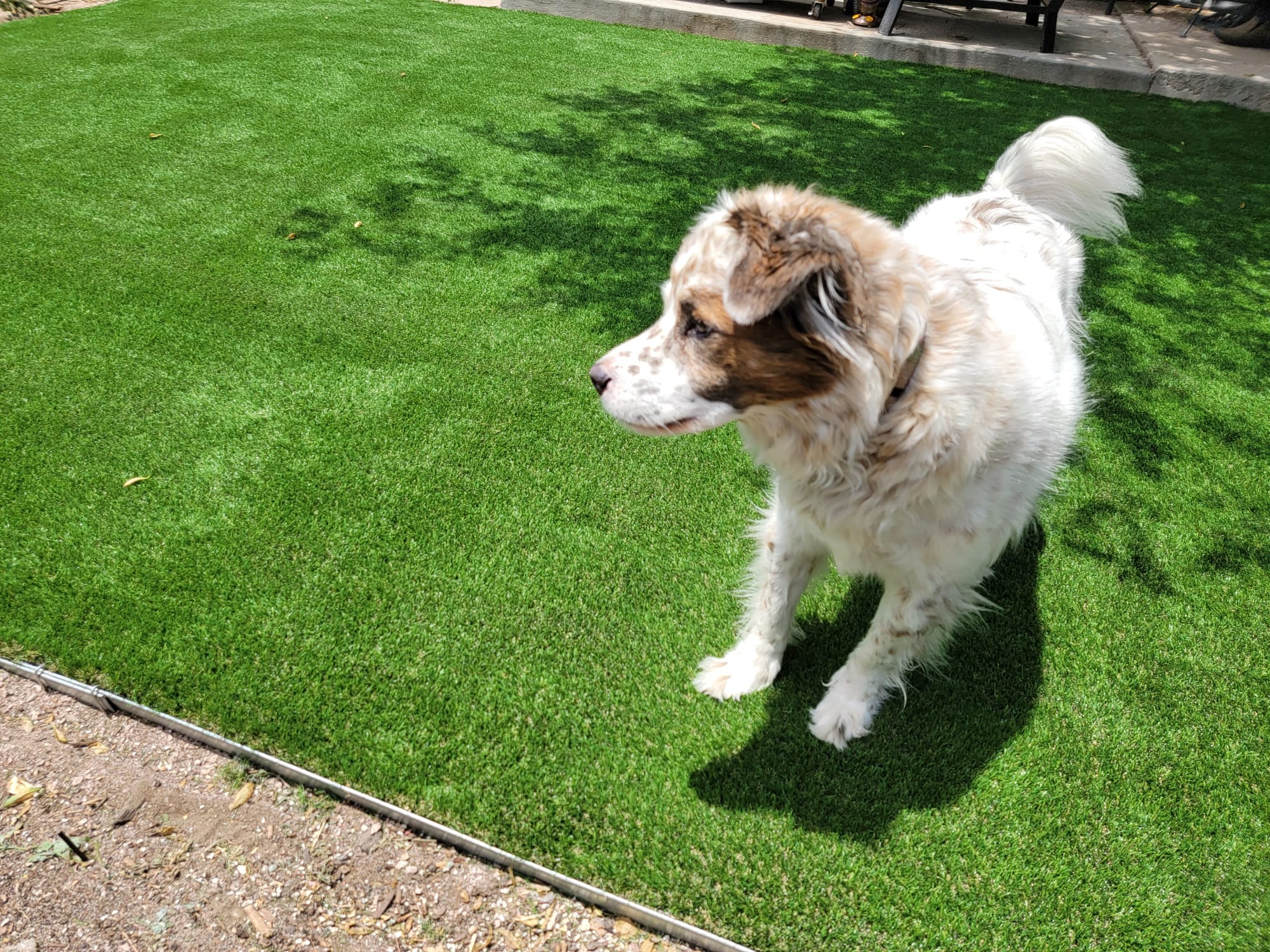
Artificial Grass of Mesquite designs and installs pet-friendly turf systems for the multi-dog households, large-breed families, and high-use pet yards common across Mesquite and the east-metroplex corridor. High-flow drainage, antimicrobial infill, and durable fiber systems that hold up to real daily dog use — not showroom-spec pet-friendly, actually pet-friendly.
Service areas for this work
Overview
What Pet-Friendly Turf Actually Means for Mesquite Households
Pet-friendly is a marketing term that gets applied to any turf product with a drainage hole in the backing. Artificial Grass of Mesquite's approach to pet-friendly installation is different: we assess the number of dogs, their size, their use patterns, and the yard's existing drainage conditions before recommending any product. A yard with one small indoor-outdoor dog has different requirements than a household with two 80-pound Labradors who are in the backyard for six hours a day. We spec the installation around the actual dog household, not a generic pet-safe label.
That first conversation helps clarify whether the project is mostly visual, mostly performance-driven, or a mix of both. Once that is clear, it becomes much easier to identify the right turf system and the right installation path.
Service Snapshot
What the work usually needs before it starts.
- Drainage systems designed for high-volume pet waste, not just light rinsing capability
- Antimicrobial infill options that inhibit bacterial growth between cleaning visits
- Fiber products in face weights that hold up to digging, running, and turning without matting
- Base preparation that separates the turf system from the soil — eliminating mud tracking
- Surface temperatures assessed and mitigated for dogs that are outside through Mesquite summer afternoons
- Layout design that concentrates pet drainage to specific areas, keeping the family recreation surface cleaner
Long-Form Detail
The service template now carries real body content beyond the hero.
These sections are intentionally substantial so service routes do not collapse into thin pages once the visual redesign is applied.
Where pet friendly artificial grass fits
Pet Friendly Artificial Grass projects in Mesquite usually start with a practical question: what does the space need to do once the job is finished? For some properties the answer is visual consistency and lower maintenance. For others it is pet durability, easier cleanup, cleaner curb appeal, or a more controlled recreational surface. That usage question affects the scope, the materials, and how the site should be prepared before work begins.
Because the space has to perform after installation, we evaluate grade, traffic, drainage, access, and edge conditions before locking in the final plan. That is especially important in North Texas, where seasonal heat, sudden rainfall, and day-to-day wear can expose weaknesses in poorly planned turf systems. A service page is only useful if it explains that context, so this route keeps the Mesquite-specific detail and not just a short marketing summary.
Planning factors before the work begins
This service also ties directly into planning priorities like no more mud tracked into the house, urine burns are gone permanently, no digging to the soil. Those items are not abstract selling points. They influence product selection, base preparation, finishing details, and how the completed surface should be maintained over time. Whether the project is residential or commercial, those planning factors shape the final recommendation more than a one-size-fits-all material choice ever could.
Customers also need a realistic understanding of sequencing. Some sites need more prep than expected. Some benefit from a simpler scope because the existing conditions are already strong. Walking through those choices ahead of time keeps the estimate process cleaner and makes the finished result easier to match to the original project goals.
What customers can expect from this route
On the execution side, pet friendly artificial grass work is shaped by details such as High-drainage-rate perforated backing rated for high-volume pet waste, Antimicrobial infill options that inhibit bacterial growth and odor between cleaning visits, Face weights of 70oz or higher for active multi-dog households. Those details influence how natural the turf reads, how it handles traffic, and how much maintenance pressure stays on the property owner after the work is complete. The route is built to explain those choices so customers know what the finished system is supposed to deliver.
The end goal is a turf solution that feels appropriate for the property rather than overbuilt or underspecified. That means the recommendation should look right, hold up to the expected use, and come with a straightforward explanation of how the site should be cared for after the handoff.
Benefits
Why East-Metroplex Dog Households Switch to Pet Turf
The benefits below stay pulled from the existing content batch, but the presentation has been expanded into a denser editorial grid to better match the new theme.
No More Mud Tracked Into the House
The mud problem in Mesquite and east Dallas County yards is real — clay soil absorbs rain and then stays wet for days, and dogs running in from the backyard bring all of that inside. Artificial turf eliminates the soil contact entirely. The surface drains within minutes of rain, and dogs come inside clean.
Urine Burns Are Gone Permanently
Natural grass develops brown urine burn patches within a few months in any household with multiple dogs. Those patches require re-sodding or die off permanently in areas with concentrated use. Artificial turf doesn't discolor from urine — the drainage system moves it through, and periodic rinsing keeps the surface fresh.
No Digging to the Soil
Dogs that dig at natural grass eventually get to bare soil — and then the problem accelerates. Properly installed artificial turf with the right backing system discourages digging by eliminating the familiar soil texture. Most dogs adapt within a few days and stop attempting to dig at the turf surface.
Heat Management for Summer Afternoons
Synthetic turf surfaces do get warmer than natural grass in direct sun. For dogs spending time in the yard through Mesquite summer afternoons, we discuss surface temperature mitigation options — cooling infill products, shade-area placement, and occasional surface rinsing that drops the temperature quickly — during the site visit.
Odor Control That Actually Works
Pet odor from artificial turf is a bacterial growth problem, not just a waste-residue problem. Antimicrobial infill inhibits the bacteria that produce persistent odor between cleaning visits. Combined with proper drainage design and periodic professional cleaning, pet turf in a well-designed system stays genuinely odor-controlled rather than just masked.
A Yard Kids Can Still Use
For Mesquite households where the backyard is shared between large dogs and young children — an extremely common situation — pet turf needs to be genuinely safe and clean for both. Our installations meet that standard: pet-safe cleaning products, antimicrobial infill, and drainage design that keeps the family recreation area cleaner than the dedicated pet zone.
Process
How We Design and Install Pet Turf for Mesquite Households
Pet turf installation starts with a different conversation than standard residential turf — the dog count, breed size, and use pattern shape every installation decision.
Step 01
Pet-Use Assessment During Site Visit
We discuss your household's specific pet situation during the free site visit: how many dogs, what sizes, how they use the yard, whether there are designated relief areas, and whether the yard also needs to function as a clean family recreation space. All of that shapes the installation design.
Step 02
Drainage Design
We design the drainage system around the pet waste load, not a minimum-spec drainage backing. High-volume pet households need perforated backing with higher drainage rates, base layers sloped deliberately toward drainage outlets, and in some cases French drain components at the downhill perimeter.
Step 03
Zone Layout Planning
Where possible, we design the yard installation with a dedicated pet zone — typically near the fence line or a downhill section — and a separate family recreation area. Keeping pet drainage concentrated improves the cleanliness of the family zone and simplifies the cleaning maintenance routine.
Step 04
Product Selection for Pet Durability
Pet turf needs higher face weight than a minimally-used decorative installation. We specify products in the 70-ounce or higher range for active multi-dog households, with pile heights that recover well after heavy directional traffic and fiber systems that don't mat under concentrated use.
Step 05
Standard Installation Sequence
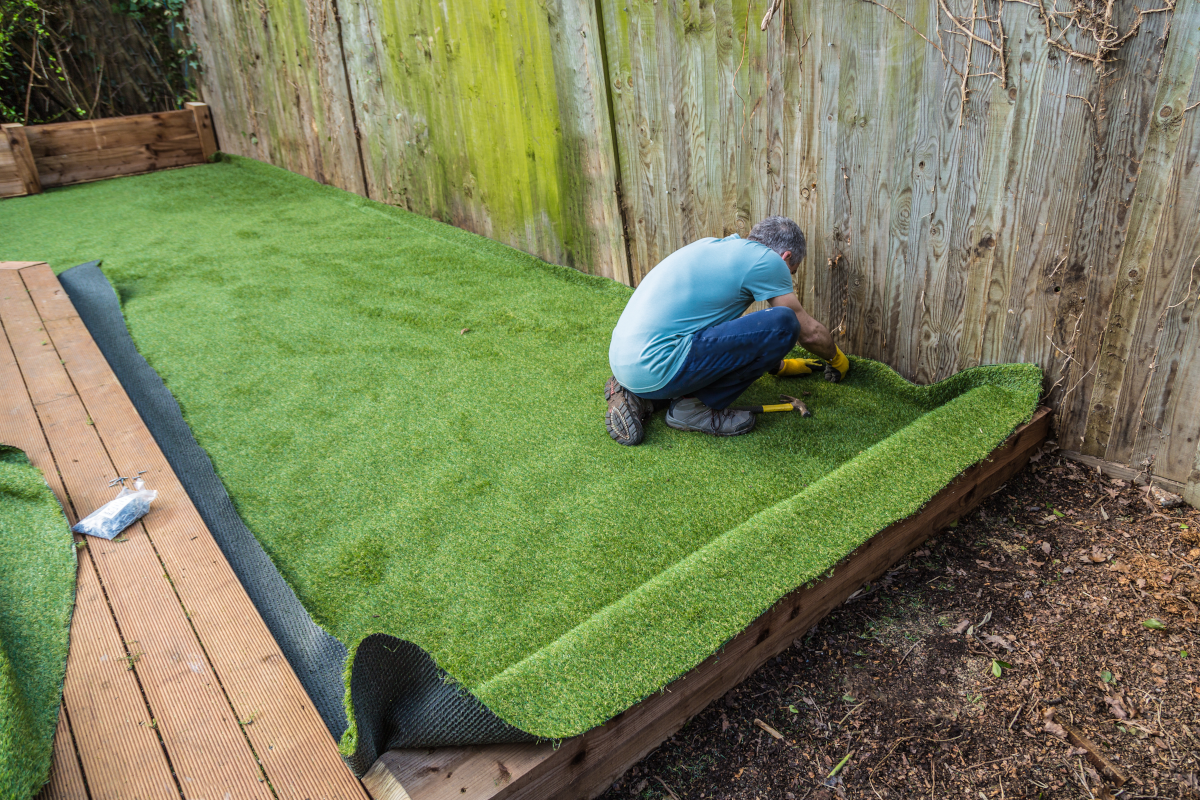
Base excavation, compacted aggregate preparation, turf placement and securing, seam joining, infill application with antimicrobial product in pet zones, and final grooming. The installation sequence is the same as standard residential — the product specifications and drainage design are different.
Step 06
Maintenance Guidance for Pet Households
We provide specific guidance at project close-out for pet-turf maintenance: how often to rinse the surface, when to call for professional cleaning, what household-level cleaning products are compatible with the installation, and how to assess whether the surface needs professional service sooner than the scheduled visit.
Materials + Scope
Features, product notes, and budget context.
- High-drainage-rate perforated backing rated for high-volume pet waste
- Antimicrobial infill options that inhibit bacterial growth and odor between cleaning visits
- Face weights of 70oz or higher for active multi-dog households
- UV-stabilized fiber with fiber memory appropriate for directional traffic from large breeds
- Base drainage slope and outlet design calibrated for pet use volume
- Root barrier where tree proximity threatens base integrity over time
- Zone layout design separating pet-use area from family recreation turf where the yard allows
Budget + Expectations
Pet Turf Pricing
Pet-turf installations are priced based on turf area, product specification, and drainage design complexity. High-volume pet households with dedicated drainage components pay more than minimal-use installations — but the product delivered is meaningfully different. Contact us for a site-visit-based quote specific to your household.
We discuss the full range of pet-turf options during the free site visit and don't recommend specifications beyond what the household's actual use requires.
FAQs
Pet Turf Questions from Mesquite Dog Households
The frequently asked questions stay on the route, but they now sit inside the same card system as the rest of the redesign.
We have three large dogs. Is artificial turf actually manageable?
Yes — it's genuinely easier to manage than natural grass with that dog load. Natural grass with three large dogs deteriorates within months. Pet turf with proper drainage and antimicrobial infill stays functional and cleanable. Solid waste is picked up as normal; urine drains through immediately. Periodic rinsing and twice-yearly professional cleaning keep the surface clean and odor-controlled.
How hot does pet turf get in Mesquite summers? Is it safe for dogs?
Synthetic turf surfaces get warmer than natural grass in direct sun — typically 10 to 20 degrees warmer on the surface. For Mesquite's sustained summer heat, we discuss cooling infill options and rinsing protocols during the site visit. Dogs adapt their behavior the same way they do on any warm surface — seeking shade or asking to come inside during the hottest afternoon hours.
Our dog digs. Will he destroy the turf?
Most dogs reduce or stop digging behavior on artificial turf because the tactile feedback is different from soil and there's no loose material to excavate. For dogs with strong digging habits, we can specify backing systems with additional bite resistance and discuss perimeter securing options that make edge digging less productive.
What about cleaning between professional visits?
Solid waste is picked up as always. For urine, a periodic rinse with a garden hose keeps the surface fresh in lower-use situations. For high-volume pet households in summer heat, we recommend rinsing pet-use zones every two to three days during peak hot weather to prevent bacterial accumulation between professional cleaning visits.
Can the kids use the same turf as the dogs?
Yes, with the right installation design. We separate the pet-use zone from the primary family recreation area where the yard allows, and the antimicrobial infill and drainage design keep the surface genuinely clean for all household members. The cleaning products we use and recommend are pet-safe and child-safe.
How long does pet turf hold up compared to standard turf?
Quality pet turf products in the right face weight for the use intensity hold up as well as standard turf — 15 to 20 years with appropriate maintenance. The key is specifying the right product for the actual dog load. Underspec'd turf in a heavy-dog household fails prematurely. We don't underspec pet installations.
Related Services
Explore adjacent turf routes.
These links give the service template a stronger internal-linking finish and make the redesigned system extend across the full service family.
Artificial Grass Installation
Professional Artificial Grass Installation in Mesquite, TX.
View service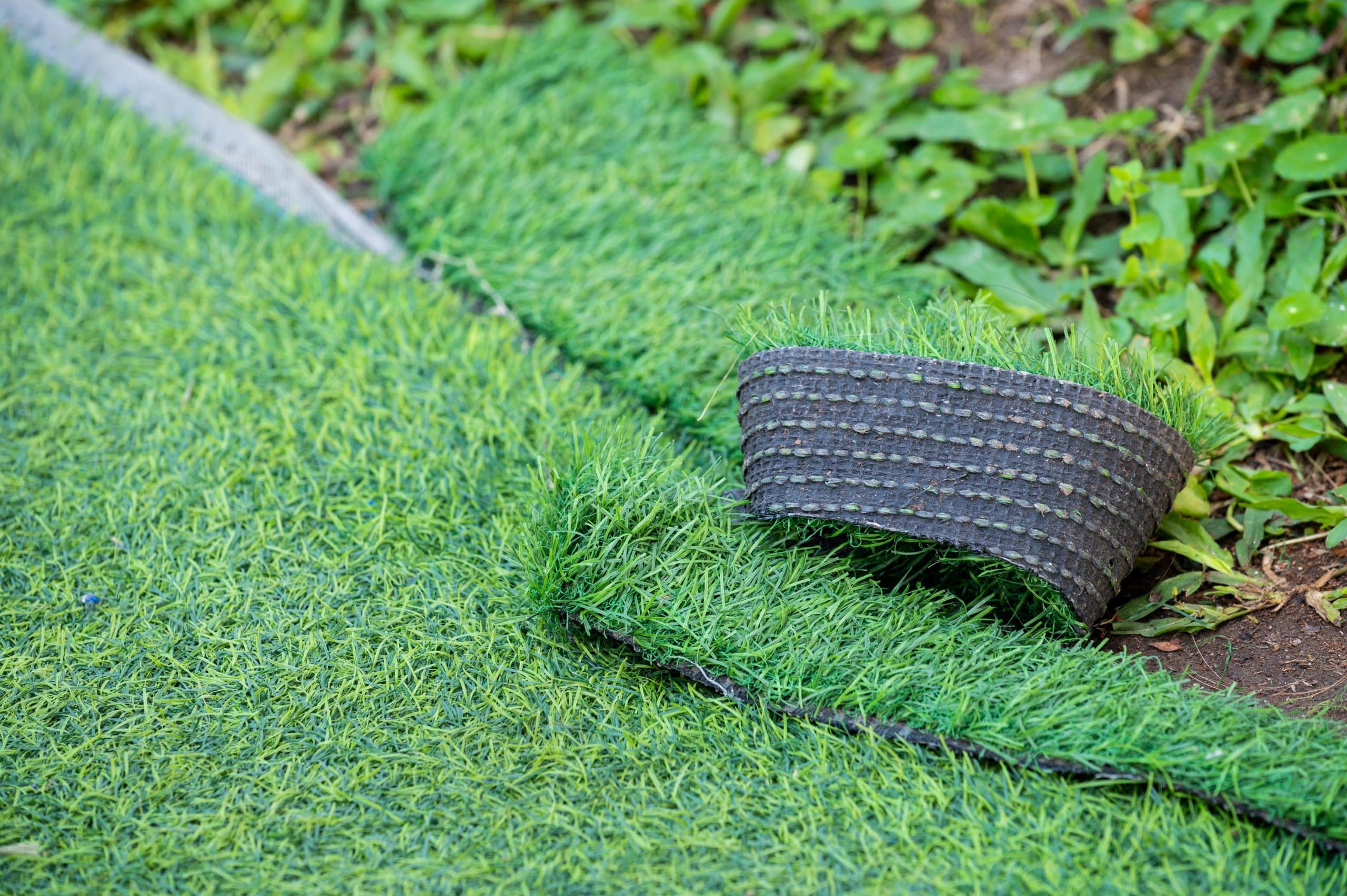
Artificial Turf Maintenance
Professional Artificial Turf Maintenance in Mesquite, TX.
View service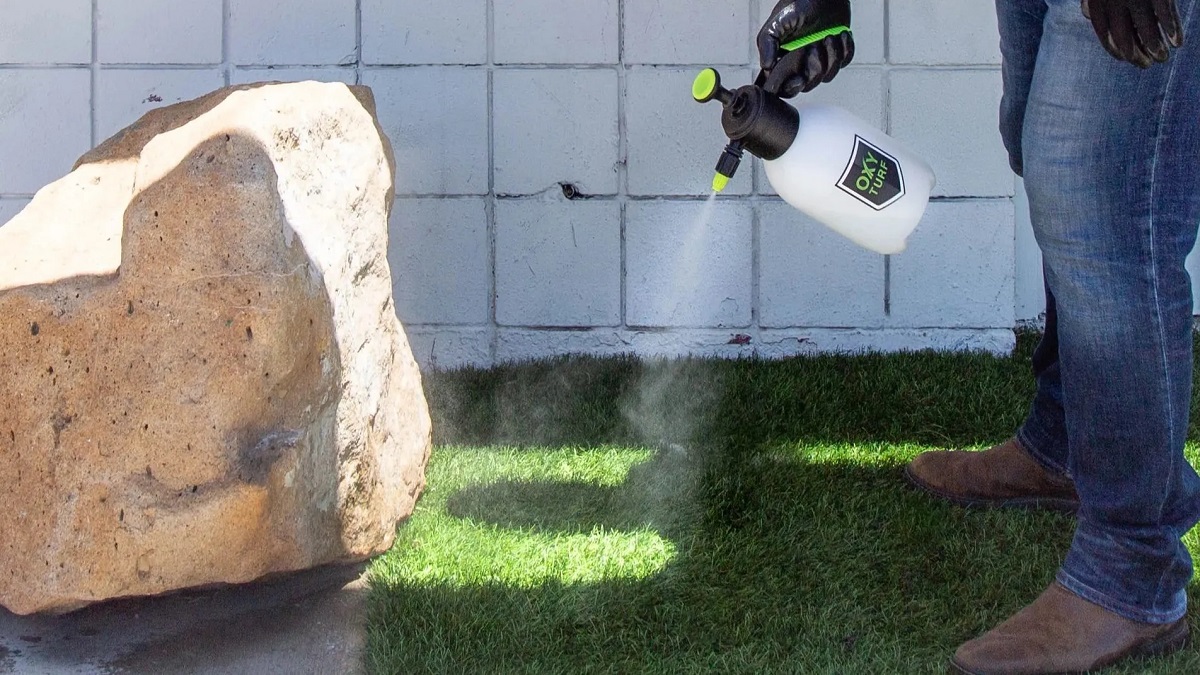
Synthetic Grass Cleaning
Professional Synthetic Grass Cleaning in Mesquite, TX.
View service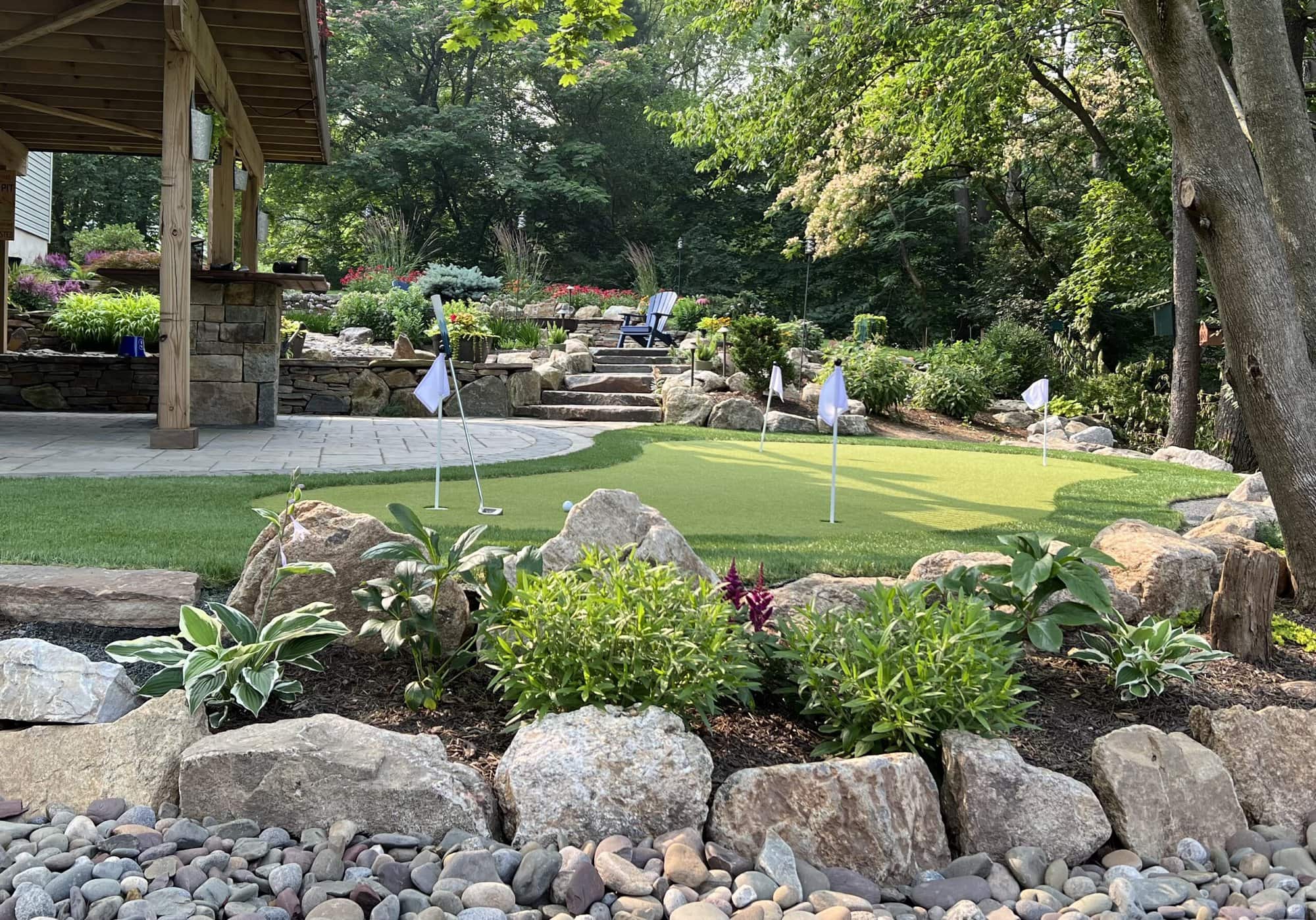
Putting Green Installation
Professional Putting Green Installation in Mesquite, TX.
View serviceService Areas
Get a Yard Your Dogs Can Actually Use
Call Artificial Grass of Mesquite at or submit a contact request online. We'll schedule a free site visit, talk through your household's specific pet situation, and give you a written quote for a pet turf system designed around your actual dogs — not a generic pet-friendly product.